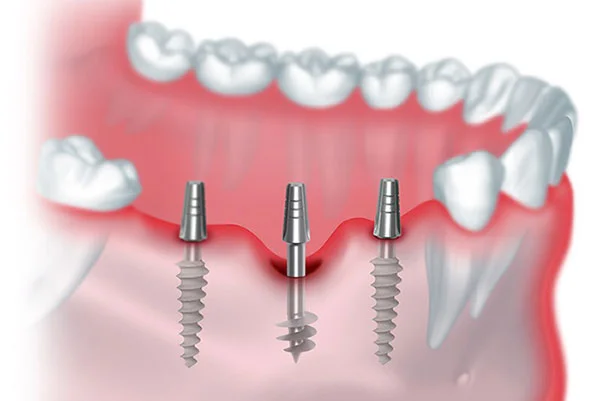
For many adults, tooth loss is more than just a dental issue—it affects eating, appearance, confidence, and overall well-being. When traditional implants are not possible due to severe bone loss, the situation feels discouraging. But modern dentistry has progressed beyond the limitations of old treatment methods. One of the most transformative solutions available today is the Basal Implant system, also known as cortical implants or basal osseointegrated implants.
Basal implants are designed to anchor directly into the cortical bone, the most dense and strong bone layer of the jaw. Unlike traditional implants, which depend on the spongy alveolar bone, basal implants bypass areas weakened by age, infection, or long-term denture use. This makes the procedure especially suited for patients who have been told they are “not eligible for implants” without bone grafting.
To appreciate the value of basal implants, it helps to understand how they differ from conventional implants. Traditional implants require several millimeters of healthy bone height and density. When the bone has resorbed, dentists recommend grafting, sinus lifting, or other surgical procedures before implant placement.
Basal implants eliminate these extra steps. Their long, uniquely shaped design allows them to reach the basal or cortical bone, which rarely resorbs, even in elderly patients or those suffering from chronic gum disease. This structural advantage produces three main benefits:
The process typically starts with a comprehensive assessment using clinical examination and CBCT scans. This allows the dentist to evaluate the available cortical bone and design a suitable implant plan.
Step 1: Preparation of the Jawbone
Rather than drilling wide implant beds, basal implant placement involves creating narrow channels that reach the stable cortical bone structures.
Step 2: Implant Placement
Basal implants have a unique body shape that ensures stable anchorage. Their design allows secure fixation even in areas where traditional implants fail.
Step 3: Immediate Teeth Placement
Within 48–72 hours, patients receive a fixed provisional bridge. The immediate loading protocol allows patients to chew soft foods and speak comfortably from the early stages of recovery.
Basal implants are not just an alternative—they are often the only solution for patients who:
For these individuals, the chance to restore function and appearance in a few days is life-changing.
Basal implants combine biomechanics, structural integrity, and modern engineering. Some of the most important advantages include:
Patients often report improved chewing efficiency, better speech clarity, and renewed confidence shortly after receiving their new teeth.
Although basal implants offer many benefits, success still depends on proper aftercare. Good brushing habits, regular dental checkups, and a thoughtful diet in the early weeks ensure optimal healing. Over time, the implants integrate with the bone and provide stability similar to natural tooth roots.
Most patients enjoy long-term success, and basal implants often last several decades when maintained properly.
Basal implants represent a shift in modern implantology. They give patients with complex conditions an opportunity to experience stable, fixed teeth without extensive surgeries or waiting periods. For many individuals who have struggled with loose dentures or repeated dental failures, basal implants offer a path to renewed comfort, function, and confidence.