Full-mouth dental implants have become one of the most reliable ways to restore an entire set of missing or failing teeth. For many people, this treatment offers a second chance at strong chewing function, a confident smile, and long-term oral stability. Yet most patients still feel unsure about whether the procedure is right for them. Understanding how the treatment works, what to expect during recovery, and how long the results last can help them make a clear, informed decision.
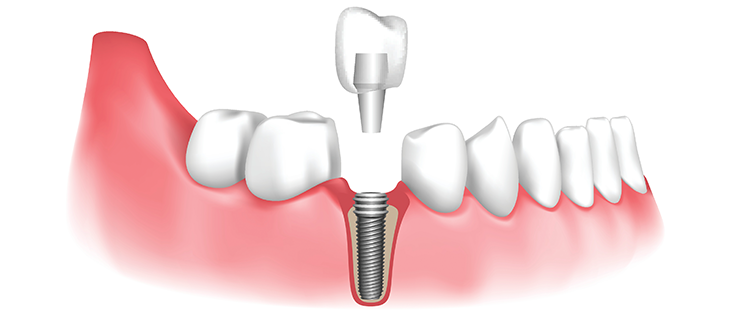
Full-mouth implants work by replacing all missing teeth in the upper and lower arches using a small number of strategically placed titanium implants. These implants act like artificial tooth roots, supporting custom-made prosthetic teeth that look natural and feel secure. While traditional dentures simply sit on the gums, full-mouth implants anchor into the jawbone, allowing people to eat, speak, and smile with confidence.
One of the biggest concerns patients express is whether the treatment is painful. Modern implant dentistry uses advanced imaging, minimally invasive surgical techniques, and precise planning to make the process comfortable. Local anesthesia and sedation options help ensure a smooth experience during surgery. After the procedure, most people manage discomfort with mild medication and return to normal activities in a few days.
Another key consideration is the condition of the jawbone. Over time, missing teeth cause bone loss, which can affect how implants fit. Dentists often use CBCT scans to assess bone density and determine whether additional steps like bone grafting or basal implants are needed. Fortunately, today’s implant systems are designed to work even in cases with reduced bone, ensuring more patients qualify without lengthy treatment delays.
Full-mouth implants also offer long-term benefits beyond aesthetics. Because the implants integrate with the bone, they help preserve jaw structure, prevent facial sagging, and reduce future dental complications. Patients often report improved speech, better digestion, and freedom from the instability and soreness associated with removable dentures.
The treatment timeline varies depending on the patient’s oral health, the number of implants, and the type of prosthesis chosen. Some people qualify for same-day teeth, where a temporary fixed bridge is attached soon after implant placement. Others require a healing period of a few months before receiving the final restoration. Both approaches aim for stable, lasting results that blend naturally with the patient’s facial shape.
Cleaning and maintaining full-mouth implants is simpler than many expect. Instead of removing dentures or dealing with adhesives, patients brush and floss as they would with natural teeth. Routine check-ups, professional cleanings, and proper home care ensure the implants last for many years—often a lifetime. For many patients, the long-term reliability and improved quality of life outweigh the initial investment and time commitment.
It’s natural for patients to explore all their options before choosing a full-mouth implant solution. Dentists usually compare implants with traditional dentures and bridges, explaining the pros, limitations, and cost differences. While implants require a surgical approach and a higher upfront cost, their durability, comfort, and functionality make them a preferred solution for complete smile restoration.
Understanding the procedure helps patients feel more comfortable and confident about moving forward. From the initial evaluation to the final restoration, full-mouth implants are designed with precision and personalization. With proper planning and experienced care, the treatment delivers strong, stable, and long-lasting results.