Zygoma implants have transformed the way dentists approach cases of severe maxillary bone loss. For years, patients with extensive bone resorption were often told they were not candidates for conventional dental implants. Many underwent multiple bone grafts, sinus lifts, or were forced to settle for removable dentures. Today, zygoma implant technology offers an alternative that is more stable, predictable, and less invasive than traditional reconstructive methods.
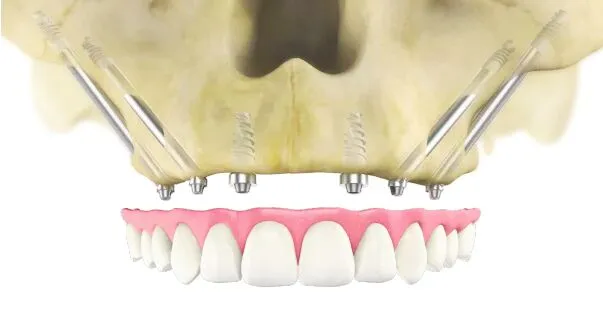
Zygoma implants are longer titanium implants placed in the zygomatic bone—commonly known as the cheekbone. This bone is denser and stronger than the upper jawbone, making it a reliable anchor for implant-supported prosthetic teeth. What makes this technique so innovative is its ability to bypass areas with insufficient bone entirely. Instead of rebuilding the jaw with grafts, the implant accesses naturally strong bone to achieve primary stability.
One of the primary benefits of zygoma implants is the possibility of immediate loading. In many cases, patients receive a fixed prosthesis on the same day as surgery. This reduces treatment time dramatically and restores a patient’s confidence in a matter of hours, rather than months. Chewing efficiency, speech clarity, and facial support all improve noticeably once a stable, fixed set of teeth is in place.
Another strong advantage is that zygoma implant procedures avoid the need for bone grafting. Bone grafts can be lengthy, unpredictable, and uncomfortable for patients. Healing may take several months, and success often depends on patient-specific factors such as smoking habits, diabetes, age, or infection risk. By eliminating the grafting phase, zygoma implants streamline the entire process and reduce complications.
For patients with collapsed facial profiles or long-term denture use, zygoma implants offer a way to regain a natural appearance. Missing teeth and deteriorated jawbone often lead to sunken cheeks and wrinkles around the mouth. Because zygoma implants support fixed teeth that mimic natural roots, they help restore facial structure and provide essential support to soft tissues. This can significantly rejuvenate a patient’s overall appearance.
The success rates of zygoma implants are exceptionally high when performed by trained professionals. Studies consistently show comparable—or even superior—success compared to standard implants in compromised bone situations. This makes the technique reliable and long-lasting for patients who previously had limited options.
Zygoma implants are especially beneficial for patients with:
The procedure itself is carefully planned using 3D imaging and digital surgical guides. These advanced tools allow clinicians to map the anatomy accurately and place implants with precision. The implants are inserted through the upper jaw and anchored into the cheekbone, ensuring a firm hold. Because the cheekbone is naturally dense, integration between the bone and implant tends to be strong and durable.
Post-operative care is essential to the long-term success of zygoma implants. While most patients recover quickly, following a soft diet and maintaining good hygiene is crucial. Regular follow-up visits allow clinicians to monitor healing and ensure the prosthesis remains functional and comfortable.
One of the most meaningful outcomes for patients is the improvement in quality of life. People who have spent years struggling with loose dentures or missing teeth often report a renewed sense of confidence. Being able to smile, eat comfortably, and speak clearly brings back a sense of normalcy they may have missed for years.
Zygoma implants represent a powerful step forward in modern implant dentistry. They offer hope to individuals who were once told they were out of options, providing them with fixed, functional teeth and a stable foundation for oral health. As technology advances further, this treatment continues to become even more accessible and predictable, opening the door for thousands to reclaim their smiles.