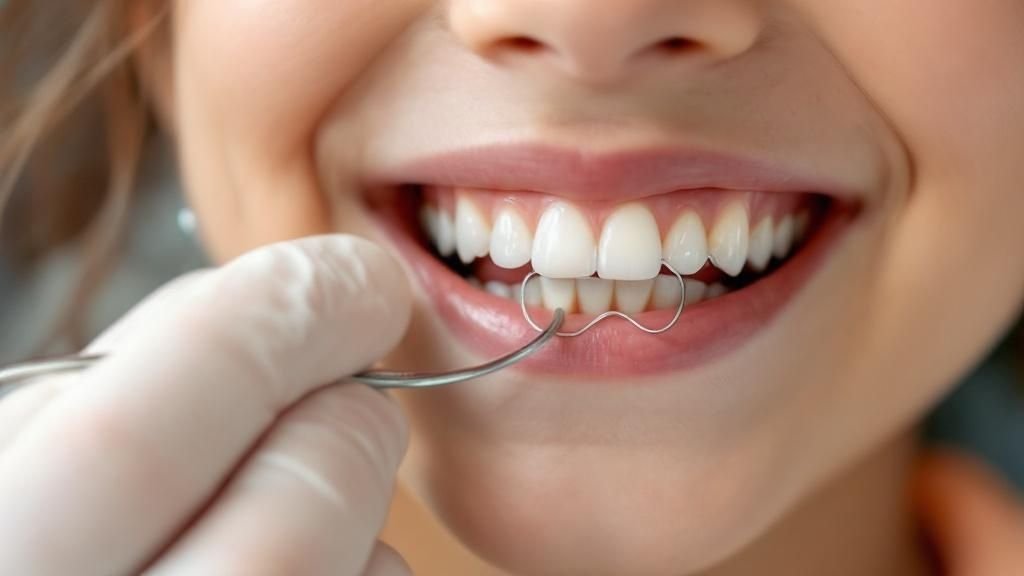
When a child loses a baby tooth earlier than expected, it can feel like “no big deal.” After all, those teeth were going to fall out anyway, right? But here’s the part most parents don’t realize: baby teeth play a huge role in guiding permanent teeth into the right position. Losing them too early can trigger a chain reaction that affects chewing, speech, bite alignment, and even facial development. This is exactly where Space Maintainers come in—simple devices that quietly protect your child’s future smile.
Baby teeth act like natural placeholders. They maintain the spacing required for permanent teeth to erupt correctly. If a tooth is lost too soon due to decay, trauma, or extraction, the nearby teeth tend to drift into the open space. This “shifting” might seem small at first, but over time it can block the path of an incoming tooth or cause crowding.
A Space Maintainer prevents this. It holds the empty space open until the permanent tooth is ready to emerge. It’s a small intervention, but it can prevent years of orthodontic treatment later in life.
There are two main categories:
These are cemented to nearby teeth and stay in place until removed by the dentist. Common types include:
These are especially useful for younger children who may not reliably wear removable appliances.
These work like a retainer and require consistent daily wear. They’re suitable for older children who understand the importance of wearing them properly. They can even include artificial teeth for aesthetic purposes.
Skipping a space maintainer after early tooth loss can cause:
Space maintainers cost far less than correcting severe misalignment later. They act as a preventive measure and save families from unnecessary stress.
The dentist examines the child’s mouth, reviews X-rays, and assesses the growth pattern. They determine whether the permanent tooth is months or years from erupting.
If needed, an impression or digital scan is taken. The appliance is then customized to fit perfectly.
For fixed maintainers, the device is cemented. For removable ones, the child is taught how to wear and care for it.
Regular monitoring ensures:
A little daily care helps the appliance work effectively and comfortably.
Space maintainers:
They’re a simple investment with life-long impact.