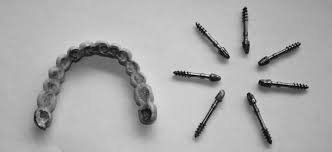
Full-mouth dental rehabilitation used to involve multiple procedures spread across months. Patients with advanced bone loss often needed bone grafts and sinus lifts before implant placement. The discomfort, cost, and lengthy waiting periods left many hesitant to begin treatment. Today, Basal Implants are rewriting this story, providing a faster, stronger, and more predictable solution for complete dental restoration.
Basal implants use the basal cortical bone—an area known for its high density and excellent healing capacity. This bone layer remains stable throughout life, even after tooth loss or periodontal disease. Traditional implants depend on spongy bone, which weakens with age, making them unsuitable for many patients.
Because basal implants rely on cortical structures, they provide exceptional support even in difficult cases. Their unique, thin, yet strong design ensures they can be placed in patients who have been refused conventional implants.
A full-mouth rehabilitation requires durability and load distribution. Basal implants are designed exactly for this purpose.
Here’s how they streamline the process:
Basal implants are particularly successful in:
These groups often experience disappointing results with traditional implants. Basal implants offer a more predictable alternative.
The process begins with diagnostic imaging, followed by a treatment plan tailored to the patient’s bone pattern. Implant placement is strategically done to utilize available cortical bone.
After surgery, the dental team fabricates a strong provisional bridge within the same 2–3 days. Patients regain full function early, though soft chewing is advised initially. Over the next few months, the implants and bone integrate. Later, a long-term prosthesis is crafted for the final result.
The combination of immediate teeth and long-term survival rates makes basal implants one of the most reliable full-mouth solutions.
Yes. Basal implantology has been successfully used for decades. The implants are made from biocompatible titanium alloys and are engineered to adapt to load-bearing cortical bone. When placed by a trained professional, the procedure maintains a high success rate.
Basal implants give patients an opportunity to reclaim comfort and confidence even after years of struggling with dental instability. The speed, predictability, and ability to work with compromised bone make them a preferred option in modern full-mouth rehabilitation.