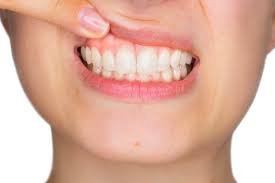
Gum surgery often sounds intimidating, but for many people, it becomes a turning point for regaining long-term oral health. When gum disease reaches a stage where regular cleanings, medications, or scaling and root planing are no longer enough, surgical intervention helps rebuild the foundation that supports your teeth. In reality, gum surgery isn’t about “fixing gums” alone — it’s about protecting your entire smile, from bone health to tooth stability.
Most patients reach the point of needing gum surgery because gum disease progresses silently. In its early stages, it appears as redness, bleeding, or mild swelling. But as it deepens, the gums begin pulling away from the teeth, creating pockets that hold bacteria. This environment quickly leads to bone loss, loose teeth, and chronic infection. Gum surgery aims to clean these deep pockets, reshape tissues, and stop the cycle of damage.
A common procedure is flap surgery, where the gums are gently lifted to remove hardened plaque and tartar that lie beneath the gumline. Once disinfected, the gums are secured back into place so that healing can begin. Another treatment is gum grafting, used when the gumline has receded and the roots have become exposed. Thin sections of healthy tissue are placed in areas with recession to rebuild the gumline, improve comfort, and protect the tooth roots from sensitivity and decay.
For patients with advanced gum disease, bone damage is also common. In such scenarios, regenerative procedures help restore lost support. Techniques may include bone grafts, tissue-stimulating proteins, or guided tissue regeneration. The goal is simple — encourage the body to rebuild bone naturally and prevent further tooth loss.
Many people worry that gum surgery will be painful or require a long recovery. Modern techniques are designed to be minimally invasive. Local anesthesia ensures you remain comfortable throughout the procedure. Most patients are surprised by how manageable the healing phase feels when they follow the after-care instructions. Soft-food diets, gentle rinses, and avoiding strenuous brushing in the treated areas are usually enough to support smooth healing.
The biggest benefit of gum surgery is preventing future problems. Without treatment, gum disease can progress to the point of losing teeth completely. In severe cases, it also increases the risk of systemic inflammation, which research links to heart disease, diabetes challenges, and compromised immunity. Gum surgery interrupts this cycle and brings the mouth back to a stable, healthy condition.
Another lesser-known benefit is the improvement in appearance. Gum recession often creates the impression of longer teeth or uneven gumlines. Gum grafting and reshaping restore balance, giving the smile a healthier and more youthful look. Patients often express relief after treatment — not only because discomfort is gone, but because their confidence returns.
If you’re considering gum surgery, it helps to know what to expect. Your dental professional will first assess the extent of gum and bone damage. This may involve measuring pocket depth, checking for mobility, and taking X-rays. A customized treatment plan follows, tailored to your needs. Sometimes, surgery is done in one quadrant at a time; other times, the mouth can be treated more comprehensively.
After the procedure, healing times vary depending on the type of surgery performed. In most cases, improvement can be felt within a week, although complete healing may take several weeks. Follow-up appointments ensure that the gums are responding well and the tissues are tightening around the teeth again.
Long-term care matters just as much as the procedure itself. Brushing gently with a soft-bristled brush, using interdental cleaners, and attending regular check-ups all help maintain the results. Those who maintain consistent oral hygiene rarely face repeat surgery.
Gum surgery isn’t just a treatment; it’s an investment in your long-term oral health. It restores stability, protects the gum and bone structure, and prevents the progression of disease that could otherwise lead to tooth loss. For anyone facing advanced gum problems, this procedure can be the step that protects the smile for decades to come.