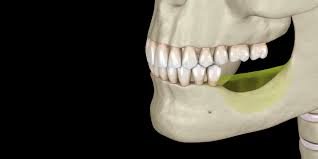
Ridge augmentation is one of those procedures most people never hear about until they truly need it. Yet it plays a crucial role in rebuilding the foundation of your smile. When the jawbone shrinks after tooth loss, the contours of the gum line collapse and the bone gradually loses volume. This not only affects how future dental implants sit but also changes the way your face looks. A ridge augmentation helps rebuild that lost bone and restores the natural shape of the jaw.
Many patients assume that replacing a tooth starts and ends with an implant or a bridge. But restoring the tooth’s foundation is the first step. Think of your jaw like the soil in a garden: without healthy soil, you cannot plant anything securely. Ridge augmentation strengthens and reshapes that foundation, making sure future treatments can be long-lasting.
The need for ridge augmentation usually arises after an extraction, periodontal disease, trauma, or long-term tooth loss. Once the bone is missing, it won’t regenerate on its own. That’s where this procedure steps in—and does so with remarkable results. Using advanced bone grafting materials, dentists rebuild the natural dimensions of the jaw. Over time, the bone integrates and firms up, creating a stable site for implants.
What makes ridge augmentation particularly helpful is its ability to improve both function and aesthetics. A collapsed ridge can change how your dentures fit, how your smile looks, and how your face appears from the side. When the bone is restored, the gum line becomes smoother and more even. This gives a better platform for implants, bridges, or even removable restorations.
The procedure itself is more straightforward than many imagine. After numbing the area, the dentist lifts the gum tissue and places the grafting material in the region where the bone is missing. The site is then covered and allowed to heal. Over the next few months, the graft becomes part of your natural bone. This slow integration is exactly what ensures the final outcome is strong and stable.
Patients often worry whether the process is painful. Most discomfort is minimal and manageable with standard aftercare. Bruising or minor swelling may occur, but these fade as healing progresses. You’ll usually receive clear post-treatment instructions—gentle brushing, avoiding pressure on the site, and sticking to softer foods initially.
The long-term advantage of ridge augmentation is the stability it brings. A dental implant placed into strong bone has a much higher success rate. Additionally, the preserved contours of the jaw ensure your future teeth look more natural. The goal isn’t just to fill a space—it’s to recreate what your mouth originally had.
Patients who take this step often say they feel more confident knowing their future implant will be secure. They also appreciate the improved fit of dentures and the way their facial profile looks fuller after the bone is restored. It’s a procedure rooted in science but brings deeply personal benefits.
In many ways, ridge augmentation protects your future choices. Without it, implants may not be possible, or the results may look uneven. When the bone is rebuilt, it opens doors for restorative treatment that looks and feels natural.
If someone has been missing a tooth for years, lost bone is expected. Ridge augmentation offers a reliable way to recreate what time has taken away. It’s a blend of precision, healing, and reconstruction—one that gives patients a chance to regain both stability and confidence in their smiles.