Gum surgery plays a significant role in treating the later stages of gum disease, restoring lost tissues, and protecting teeth from further deterioration. When nonsurgical treatments like professional cleanings and deep scaling aren’t enough to eliminate infection beneath the gumline, gum surgery becomes a reliable and effective solution. While the term may sound overwhelming, understanding each step of the process brings clarity and confidence.
Gum disease develops in stages, starting with gingivitis — a reversible inflammation caused by plaque buildup. If left untreated, it progresses to periodontitis, where bacteria damage the gums and the supporting bone around the teeth. Pockets form between the teeth and gums, trapping more bacteria and deepening the infection. At this stage, simple treatments can no longer reach the root of the problem, and gum surgery becomes necessary to clean, repair, and regenerate the tissues.
One commonly performed procedure is pocket reduction surgery. During this surgery, the dentist or periodontist gently folds back the gum tissue to access the deep pockets. Harmful bacteria, tartar, and infected tissues are removed. The gum tissue is then reattached securely around the tooth, reducing pocket depth and preventing further bacterial accumulation. This procedure helps create a healthier environment that makes daily brushing and flossing more effective.
Another important procedure is soft-tissue grafting. Gum recession is a visible and uncomfortable consequence of gum disease. It exposes the roots of the teeth, increases sensitivity, and can make the smile appear uneven. Soft-tissue grafting involves taking a small piece of tissue — often from the palate — and placing it where the gums have receded. Over time, this tissue integrates naturally and rebuilds the gumline.
In more complex cases involving bone loss, regenerative bone procedures help the mouth regain stability. Using bone grafts, membranes, or tissue-stimulating proteins, the dentist encourages natural bone regrowth. This strengthens the foundation of the teeth and helps prevent future tooth loss.
Recovery after gum surgery depends on the extent of treatment, but most patients manage well with gentle care. The initial healing phase usually lasts one to two weeks. During this time, a soft diet is recommended — foods like yogurt, soups, and mashed vegetables reduce strain on the gums. Avoiding smoking and alcohol is essential, as both slow down healing significantly.
Pain management typically involves mild medication, but many patients report that discomfort is far lower than expected. Swelling can occur, but cold compresses often help. It’s important to avoid brushing the surgical area for a few days, but other areas of the mouth should continue to be cleaned normally.
Long-term success relies on consistent oral care. Gum surgery is not a cure for gum disease; rather, it resets the foundation so that with proper care, the mouth can stay healthy. Patients who maintain excellent oral hygiene, attend regular check-ups, and follow professional advice usually enjoy stable results for many years.
One of the biggest advantages of gum surgery is the prevention of tooth loss. Gum disease is one of the leading causes of tooth loss in adults. By addressing the problem at its root, gum surgery preserves natural teeth and prevents the need for more complex restorative treatments later. It also improves overall well-being — reducing chronic inflammation in the mouth supports systemic health.
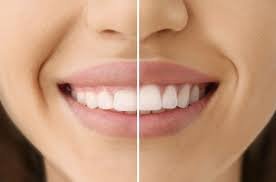
Visually, gum surgery also creates noticeable improvements. Repaired gumlines frame the teeth more evenly. Reduced inflammation brings back a pink, healthy appearance. Many patients say their smile looks fresher and more natural after healing.
Gum surgery may sound intensive, but it’s a controlled, precise, and highly effective treatment that protects your oral health. With proper understanding, preparation, and care, it becomes a powerful step toward rebuilding confidence and preserving your natural smile for life.