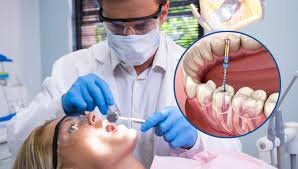
Dental pain can be overwhelming, especially when it strikes suddenly. Whether caused by infection, injury, or decay, there are moments when saving a tooth is no longer possible, and emergency extraction becomes necessary. Far from being a last-minute decision, emergency extraction is a carefully considered treatment that protects your oral health when other options can’t offer relief.
The purpose of an emergency tooth extraction is to remove a tooth that poses an immediate threat to your health or comfort. One of the most common reasons is severe infection. When bacteria penetrate deep into a tooth, they can cause swelling, throbbing pain, and even difficulty swallowing. If left untreated, such an infection can spread to the jawbone or nearby tissues. In some cases, swelling may spread to areas that affect breathing or swallowing, making immediate care critical.
Another major reason is sudden trauma. Accidents happen during sports, falls, or unexpected impacts. If a tooth is fractured beyond repair or displaced from its socket, extraction may be the only way to prevent further damage or infection. A cracked tooth that extends below the gumline often cannot be restored, even with advanced treatments, making surgical removal the safest choice.
Emergency extraction is also required for severely decayed teeth. When decay progresses to the point that the tooth structure collapses, traditional restorative procedures may not be effective. In such cases, extracting the tooth helps eliminate pain and reduces the risk of the infection spreading to nearby teeth.
Wisdom teeth often require urgent removal as well. Impacted wisdom teeth can cause intense pressure, irritation, or swelling. When infection or cyst formation occurs around these teeth, the discomfort can escalate quickly. Removing the problematic wisdom tooth prevents the issue from worsening and restores comfort.
Gum disease can also play a role in emergency extractions. Advanced periodontal disease weakens the bone holding teeth in place. When teeth become too loose or painful, removing them may be necessary to prevent further complications.
Understanding the procedure helps reduce fear during an emergency situation. Dentists begin by assessing the affected tooth through X-rays and clinical examination. The goal is to determine whether the extraction will be simple or surgical. Local anesthesia ensures the process is comfortable. Simple extractions involve loosening and removing the tooth in one piece, while surgical extractions may require sectioning the tooth or adjusting surrounding tissues to safely remove it.
Recovery is usually smooth when patients follow aftercare instructions carefully. Some common guidelines include resting for the first day, applying cold packs to reduce swelling, avoiding hard foods, and rinsing gently with warm salt water after 24 hours. It’s important to keep the extraction site clean, but without disturbing the blood clot that forms naturally. This clot plays a vital role in healing and helps prevent dry socket, a condition that can cause discomfort.
While emergency extractions offer fast relief, they are also a reminder of the importance of long-term dental care. After the extraction site heals, dentists typically recommend replacing the missing tooth to maintain proper alignment and bite function. Options such as dental implants, bridges, and partial dentures prevent nearby teeth from shifting and help preserve normal chewing ability.
Prompt dental intervention prevents complications and restores comfort sooner. When pain becomes persistent or swelling begins to spread, delaying care can turn a manageable problem into a serious health concern. Emergency tooth extraction is a safe and effective solution when saving the tooth is no longer feasible.
Understanding the signs of a dental emergency—severe pain, swelling, fever, bleeding, or trauma—helps you seek timely care. Whether it’s a cracked tooth, an untreated infection, or a painful wisdom tooth, getting immediate help protects both your oral and overall health.
Emergency tooth extraction isn’t just about removing a tooth. It’s about restoring balance, reducing discomfort, and preventing the spread of infection. When handled promptly, it allows you to return to daily activities with confidence and comfort.