Dental bonding has become one of the most trusted cosmetic treatments for patients who want quick and effective improvements in their smile. It is ideal for fixing chipped teeth, closing small gaps, reshaping uneven edges, and masking persistent stains. What makes bonding stand out is how fast, painless, and affordable it is compared to other cosmetic procedures such as veneers or crowns.
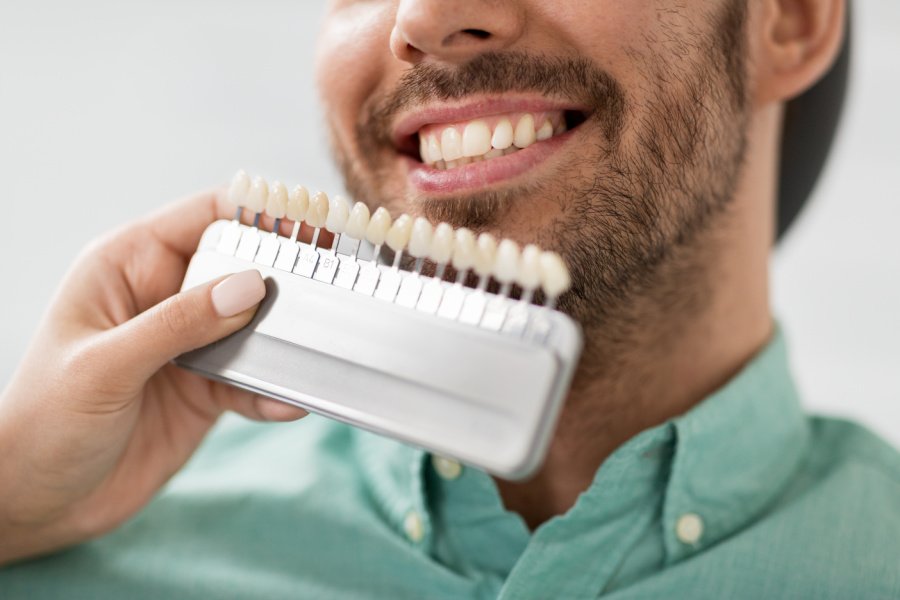
The process begins with a consultation where the dentist identifies the areas needing correction. Most patients are surprised to learn that bonding requires almost no drilling or anesthesia. Since the treatment focuses on the outer surface of the tooth, there is minimal discomfort. The dentist selects a shade of composite resin that matches your natural teeth to ensure that the finished result looks flawless.
Bonding works by applying a tooth-coloured resin material to the affected area. The tooth is prepared by lightly roughening the surface and applying a conditioning liquid that helps the bonding material stick. The resin is then sculpted carefully to correct shape issues, fill gaps, or repair chips. Once the shape is perfect, a blue curing light is used to harden the material. After polishing, the tooth looks smooth, glossy, and natural.
One of the biggest advantages of dental bonding is time. Many treatments can be completed in just one visit. Patients love the fact that they can walk into the dental clinic with a chipped tooth and walk out with a restored, attractive smile in less than an hour. It’s a true confidence booster, especially for people who want immediate results.
Bonding is also cost-effective, making it a preferred choice for young adults, working professionals, and anyone seeking cosmetic improvements without a high price tag. Despite being affordable, it delivers beautiful results when performed by a skilled dentist. With good care, bonded teeth typically last several years and can be easily repaired or touched up if needed.
While dental bonding offers numerous benefits, it does have limitations. It may not be suitable for large fractures or severely damaged teeth, where a crown or veneer might provide better strength. Bonding materials may also stain slightly faster than porcelain, so it’s wise to avoid excessive tea, coffee, smoking, or red wine. Regular polishing and good oral hygiene help maintain the colour and shine.
Patients often choose bonding because it helps them feel better about their smile immediately. Whether it’s covering discoloration that whitening cannot remove or reshaping teeth that look uneven, bonding offers a natural-looking transformation. It is especially popular for front teeth—the most visible area—where cosmetic enhancement can make a remarkable difference.
If you’ve been hiding your smile because of minor imperfections, dental bonding might be the ideal solution. It’s simple, quick, affordable, and produces impressive results. Instead of waiting months for braces or investing heavily in veneers, bonding gives you a refreshed and polished smile almost instantly. For those seeking a fast, comfortable, and reliable cosmetic upgrade, dental bonding remains one of the best options in modern dentistry.