Bone grafting has quietly become one of the most important advancements in modern dentistry. While most people think of dental care in terms of cleanings, fillings, and smile makeovers, the foundation beneath the gums—your jawbone—plays a bigger role in your oral health than you may realize. When the bone becomes weak, thin, or damaged, even the best dental treatments struggle to stay stable. That’s where bone grafting steps in and restores the strength your smile depends on.
Bone grafting is a safe and predictable procedure that helps rebuild and strengthen the jawbone. It is commonly recommended when a patient wants dental implants but lacks adequate bone support. Over time, missing teeth, gum disease, or trauma can cause the bone to shrink. Once this bone loss begins, it doesn’t repair itself naturally. Bone grafting gives the jaw a second chance by adding new material that encourages fresh bone growth.
One of the biggest advantages of bone grafting is how it transforms long-term dental health. If a tooth has been missing for months or years, the surrounding bone slowly dissolves. This affects facial structure, causing cheeks to sink or the jawline to shift. With bone grafting, the jaw regains the volume and density it needs to support implants, dentures, or bridges. The added stability makes future treatments more effective and longer-lasting.
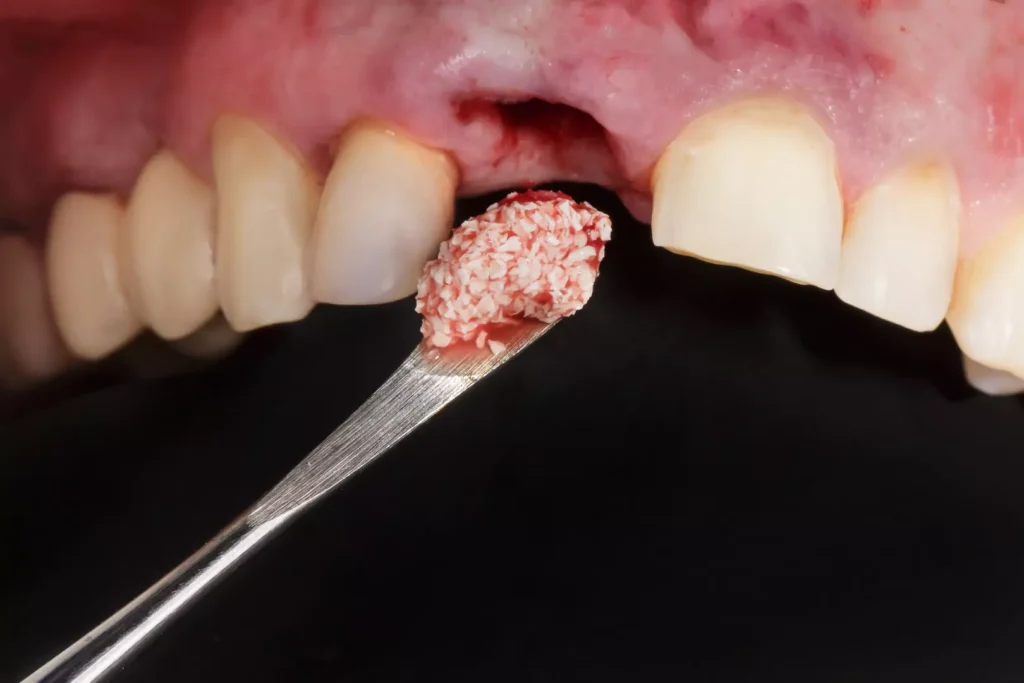
The process itself is comfortable and well-planned. The dentist begins by assessing the jawbone using X-rays or 3D scans. These images reveal areas where the bone is thin or deteriorated. After preparing the site, grafting material is placed into the area. This material may be natural or synthetic, but all options are designed to stimulate your own body to grow new bone. Over the next several months, the graft integrates with the jaw, creating a strong foundation.
There are several types of bone grafts used in dentistry, each suited for specific needs. Socket grafting is done immediately after a tooth extraction to prevent bone loss from starting. Sinus lifting is used for the upper jaw when the bone below the sinus is too thin. Ridge augmentation helps reshape the jaw when severe bone loss has already occurred. Each technique helps restore strength and shape in a targeted, predictable way.
Beyond supporting implants, bone grafting also protects the overall function of your mouth. When the jawbone weakens, it affects how you chew and how your bite aligns. This imbalance can lead to headaches, joint discomfort, and uneven tooth wear. Restoring bone density stabilizes your bite and helps maintain natural oral function. A strong jawbone isn’t just cosmetic—it’s essential for everyday comfort.
Another reason bone grafting stands out is how it contributes to long-term dental stability. Dental implants require a solid anchoring point. Without adequate bone, implants cannot fuse properly, reducing their lifespan and success rate. By rebuilding the bone before implant placement, dentists ensure better integration and long-lasting results. Most implant failures are linked to insufficient bone, which is why grafting is such an important preventive step.
Patients often worry about pain or recovery time, but bone grafting is generally simple and well-tolerated. Modern techniques use minimally invasive approaches and advanced healing materials. Most people return to their routine within a day or two with basic aftercare. As the graft matures, the jawbone strengthens naturally, and patients enjoy restored confidence in their dental treatments.
Bone grafting also plays a crucial role in aesthetic restoration. When teeth go missing for long periods, the face may begin to appear sunken or aged due to bone resorption. Restoring the bone volume helps maintain the natural fullness of the cheeks and lips. This contributes to a more youthful appearance and balanced facial structure.
In the end, bone grafting is more than just a preparatory step—it’s a transformative procedure that brings back strength, stability, and structure to the smile. As more individuals choose dental implants for permanent tooth replacement, bone grafting continues to be the foundation that makes these advanced treatments possible. Whether someone has experienced tooth loss, gum disease, or jaw trauma, bone grafting offers a reliable way to rebuild their oral health from the roots up.