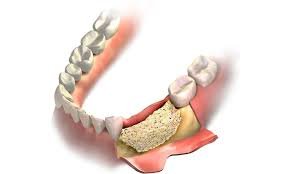
When people think about tooth replacement, they usually picture the final result: a bright new tooth, a seamless smile, or a perfectly positioned implant. But what many don’t realize is that the jawbone beneath the gum line is just as important as the visible tooth. Over time, missing teeth can cause the bone to shrink. This affects not only the ability to place an implant but also the natural shape of the face. Ridge augmentation is the treatment that helps rebuild the bone before any restoration takes place.
This procedure focuses on restoring the natural width and height of the bone. When a tooth is extracted or lost due to decay, trauma, or gum disease, the body slowly absorbs the unused bone. Within months, the ridge can become narrow or uneven. This makes it difficult to support implants or dentures properly. Ridge augmentation acts like a sculpting process, adding volume to create a strong, uniform foundation.
One of the reasons this treatment is becoming more widely recognized is its impact on long-term oral function. A healthy ridge ensures that implants fuse securely with the bone. Without this stability, implants may fail or appear unnatural. Ridge augmentation helps prevent that, ensuring the bone has the density needed for success.
The process begins with a thorough evaluation. The dentist reviews digital scans to assess the level of bone loss. If the ridge appears too narrow or shallow, they recommend adding bone graft material. This could be natural bone, synthetic bone, or a mix designed to encourage healthy regrowth. Once placed, the graft integrates with the existing bone through a natural healing process.
The healing stage is gradual, but it is worth the wait. Over the course of a few months, the graft strengthens, improves density, and regains a natural contour. When this foundation is ready, implant placement becomes predictable and secure. Patients appreciate knowing that their investment in implants starts with a solid base.
A key benefit of ridge augmentation is how much it improves the final appearance of a dental restoration. A smooth, even ridge makes future teeth look like they truly belong. Without it, restorations may appear long, uneven, or poorly supported. By rebuilding the bone first, the dentist ensures the smile looks balanced and harmonious.
Beyond aesthetics, the procedure helps maintain facial structure. Bone loss often leads to a sunken look around the cheeks and mouth. By restoring the bone, the facial profile appears fuller and more youthful. This is especially important for patients missing multiple teeth or using dentures.
Recovery from ridge augmentation is manageable for most people. Mild tenderness and swelling are normal initially. Care instructions typically include avoiding hard foods, maintaining good oral hygiene without disturbing the site, and attending follow-up visits. As healing progresses, most patients return to normal routines quickly.
Ultimately, ridge augmentation gives patients more choices. It allows them to consider implants even if bone loss has occurred. It enhances the strength, comfort, and longevity of whatever restoration comes next. In short, it restores both possibilities and confidence.
Ridge augmentation may work quietly behind the scenes, but it is one of the most transformative steps in rebuilding a strong, natural-looking smile. When the foundation is restored, everything built on top of it becomes stronger, more secure, and far more satisfying.