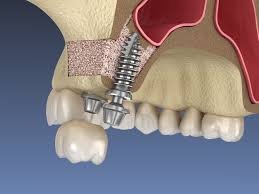
A sinus lift is one of the most commonly recommended treatments for patients who want dental implants in the upper back jaw but lack sufficient bone. The upper jaw is naturally less dense than the lower jaw, and when teeth are missing for years, bone loss becomes more severe. A sinus lift helps rebuild this area, making sure implants have the strong base they need.
Many people wonder why bone loss happens in the first place. The answer is simple: when a tooth is missing, the jawbone no longer receives stimulation. Over time, the bone begins to shrink. The sinus cavity, located above the back teeth, starts expanding downward into the empty space. This leaves minimal bone available to hold an implant. The sinus lift procedure addresses this issue by gently lifting the sinus membrane upward and placing bone graft material underneath it. As the graft heals, it forms new bone, creating adequate height and density for implants.
Understanding the treatment process helps reduce fear. Before surgery, the dentist conducts a detailed evaluation, usually involving 3D CBCT imaging. This scan reveals the exact thickness of the bone and the shape of the sinus. Based on this information, the dentist determines which technique is most suitable. Two common approaches exist: the lateral window method and the crestal (or osteotome) approach. The lateral method is used when bone height is severely lacking, while the crestal approach works for minor lifts where only a small amount of bone is needed.
On the day of the surgery, the area is numbed thoroughly to ensure comfort. Some clinics also offer sedation for patients who prefer a more relaxed experience. The dentist creates a small opening, lifts the membrane, and fills the space with graft material. Stitches are placed afterward to protect the site. Most patients are surprised by how straightforward the procedure feels compared to their initial expectations.
After the surgery, the healing phase begins. Patients may experience swelling, mild discomfort, or a feeling of fullness in the cheeks or under the eyes—these are normal responses. The dentist usually prescribes medications to keep discomfort minimal and prevent infection. Following guidelines such as avoiding nose blowing, sneezing with pressure, smoking, and strenuous activity helps protect the graft as it heals.
Bone integration is the most important part of recovery. The graft becomes part of the natural bone through a process called osseointegration. This phase takes time, typically four to nine months, depending on the amount of bone added and individual healing speed. During this period, patients should maintain good oral hygiene and attend follow-up appointments to ensure the graft is developing well.
Once the new bone has matured, dental implants can be placed safely. In some cases, the dentist may place implants during the same appointment as the sinus lift, but this is only possible when the existing bone meets minimum requirements. The goal is always long-term stability. By creating the ideal bone structure, a sinus lift greatly enhances implant success rates.
The value of this treatment reaches far beyond improving bone support. Patients who undergo sinus lift surgery gain access to implant options that would otherwise be impossible. Instead of relying on removable dentures or leaving the space empty, they can enjoy a permanent, stable solution that looks and feels natural. Better chewing function, improved facial support, and enhanced confidence are all long-term benefits.
There are also lifestyle improvements to consider. Dental implants supported by a healthy bone foundation behave like real teeth. Patients can bite into a wider variety of foods, speak clearly, and smile freely without worrying about loose dentures. For many, this treatment restores a sense of normalcy they haven’t felt in years.
A sinus lift is a well-established, trusted procedure supported by decades of research and clinical success. While it requires patience during the healing period, the long-term benefits make it well worth the effort. Anyone who has been told they lack bone for implants should explore this option, as it opens the door to a more functional, confident smile.
If you’d like, I can also create shorter versions, social media posts, or SEO-optimized copies for any clinic or location.