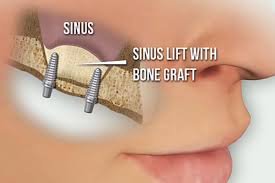
A sinus lift is one of those procedures that often sounds intimidating at first, but once patients understand its purpose, it becomes much easier to appreciate the value it brings. For many people who dream of restoring their smile with dental implants, this treatment becomes an essential first step. A sinus lift, also called sinus augmentation, focuses on preparing the upper jaw for implants by creating the right foundation of bone support.
To understand why this treatment is needed, it helps to look at the anatomy of the upper jaw. The back area of the upper jaw sits very close to the maxillary sinus. Over time, especially when a patient loses teeth early or experiences bone loss due to gum disease, the bone in this region becomes thinner. Traditional implants require a certain amount of dense bone to hold them securely. Without it, implants might fail or feel unstable. This is where a sinus lift becomes important—it provides the space and bone height needed to make implants successful.
During a sinus lift, the dental surgeon carefully raises the sinus membrane and places bone graft material into the created space. This bone can come from the patient, a donor source, or synthetic materials. Over the next few months, this graft integrates with the natural bone. As healing progresses, the jawbone becomes thicker and stronger, making it capable of supporting dental implants.
One of the biggest advantages of a sinus lift is its predictability. When done by an experienced oral surgeon or implant dentist, it offers a high success rate. Patients often feel relieved to learn that the procedure is not as painful as it seems. Modern techniques have greatly improved comfort, and most people report only mild soreness for a few days. Ice packs, soft foods, and gentle care during recovery help ensure smooth healing.
Who benefits the most from this procedure? Anyone with insufficient upper jawbone for implants is a candidate. This includes individuals with long-term missing teeth, those with bone shrinkage, or patients with naturally large sinus cavities. People with trauma or infections in the upper jaw may also need this procedure before implants can be placed.
The healing period after the surgery is important for long-term success. Depending on the bone grafting technique, the healing can take anywhere from four to nine months. During this phase, the new bone gradually forms and strengthens. Some cases allow immediate implant placement at the same time as the sinus lift, while others require a separate appointment once the bone is fully healed. The decision depends on the amount of existing bone and the complexity of the case.
The long-term benefits of a sinus lift go beyond implant placement. Once successful, patients regain natural chewing strength, facial structure, and confidence in their smile. Dental implants supported by strong bone perform similarly to natural teeth, improving speech and overall comfort. This stability also helps preserve the bone that remains, preventing further shrinkage—a common issue with missing teeth.
Patients often ask whether the procedure is safe. The answer is yes—sinus lifts have been performed for decades and remain one of the most reliable bone-building techniques in dentistry. Pre-treatment assessments such as CBCT scans allow the dentist to see the precise anatomy of the sinus and plan the approach carefully. This ensures optimal safety and results tailored to the patient’s needs.
The recovery process is manageable, but patients do need to follow instructions closely. Avoiding blowing the nose, sneezing with the mouth closed, or any activity that creates pressure can help protect the surgical area. Using prescribed medications, attending follow-up appointments, and maintaining good oral hygiene are key steps in supporting successful healing.
A sinus lift may sound like an extra step on the journey to implants, but it serves as the foundation for long-lasting dental restoration. By strengthening the upper jaw, it ensures that implants can function securely for many years. For anyone considering dental implants in the back upper jaw, learning about sinus lift surgery helps set realistic expectations and encourages confident decision-making. With modern techniques, skilled professionals, and careful planning, this procedure opens the door to a renewed smile and improved quality of life.