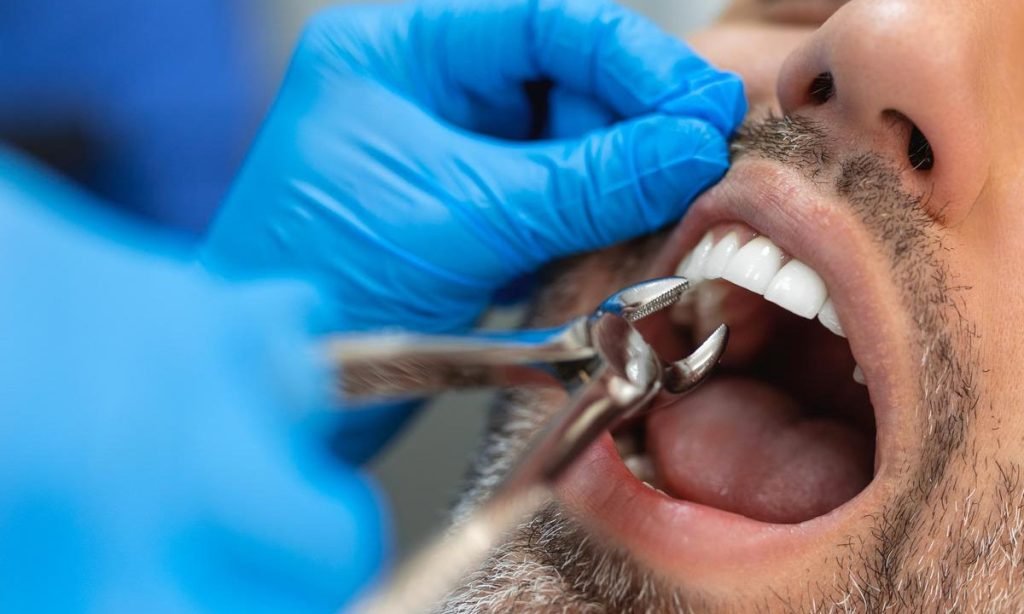
Tooth extraction is one of the most common dental procedures, not because teeth are easily damaged, but because removing a tooth at the right time can protect long-term oral health. Whether it’s a wisdom tooth causing pressure or a decayed tooth that cannot be restored, extraction helps prevent future complications and restores comfort.
Dentists choose extraction only after evaluating all alternative treatments. You might need a tooth removed in situations such as:
A careful diagnosis, often supported by dental X-rays, helps determine the safest and most beneficial decision.
Preparation reduces anxiety and leads to a smoother procedure. Patients typically benefit from:
Clear communication with the dentist builds confidence and sets realistic expectations.
During a simple extraction, the dentist numbs the tooth and surrounding gums. Using elevators and forceps, the tooth is gently loosened and removed. Most patients report feeling pressure but no sharp pain.
A surgical extraction is more detailed. A small incision helps access the tooth, especially if it’s impacted or broken beneath the gumline. The dentist may divide the tooth into sections for safer removal.
With modern equipment, real-time assessment, and controlled techniques, the process prioritizes patient comfort and safety.
Proper aftercare determines how smoothly healing progresses. Key steps include:
Pain and inflammation are normal but manageable. Dentists may prescribe medication to support comfort during the first few days.
Most people recover quickly:
Following instructions ensures the blood clot remains undisturbed, which is essential for proper healing.
In many cases, replacing the extracted tooth is recommended to preserve chewing ability and jawbone strength. Options include:
Discussing these choices early helps plan the next steps effectively.
Contact your dentist if you notice prolonged pain, persistent bleeding, unpleasant odor, fever, or signs of infection. These symptoms are uncommon but require prompt attention.
A tooth extraction may feel overwhelming, but modern dentistry has made it safer, easier, and more comfortable than ever. With the right preparation and thoughtful aftercare, patients recover quickly and enjoy improved oral health. Understanding the entire process empowers you to make informed decisions and approach treatment with confidence.