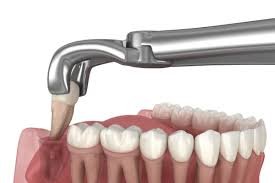
Tooth extraction may sound intimidating at first, but it is one of the most routine dental procedures used to protect oral health and prevent future complications. Today, more patients are choosing timely intervention rather than waiting for pain or infection to get worse. When done with proper planning and aftercare, extraction can give your mouth the fresh start it needs.
Dentists recommend removing a tooth only when other treatments no longer provide a safe or lasting solution. Some of the most common reasons include:
Each case is unique, and dentists evaluate X-rays, gum condition, and overall oral health before recommending removal.
Tooth extraction falls into two categories: simple extraction and surgical extraction.
A simple extraction is performed when a tooth is visible above the gum line. The dentist numbs the area, gently loosens the tooth with special instruments, and removes it with minimal discomfort.
A surgical extraction is needed when the tooth is broken, impacted, or still under the gum tissue. A small incision is made, and sometimes the tooth is sectioned into smaller pieces to ensure safe removal.
Advanced tools, better numbing techniques, and improved patient-care protocols have made modern extractions far more comfortable than many expect.
The recovery timeline varies from person to person, but there are general guidelines that help the healing process:
Most patients feel significantly better within 48–72 hours, with full healing taking a couple of weeks.
Tooth extraction isn’t just about removing a problematic tooth. It also plays a preventive role:
By addressing the issue early, patients avoid larger, more complex treatments later.
Even though recovery is usually smooth, patients should contact their dentist if they experience persistent bleeding, severe pain after three days, foul odor, fever, or swelling that worsens.
Tooth extraction is a straightforward, effective solution when a tooth can no longer be saved. With proper professional guidance and aftercare, the healing process is predictable, and the outcome contributes to better oral health and comfort. If you’ve been delaying treatment because of fear or uncertainty, an honest discussion with your dentist can help you understand the safest and most beneficial approach for your situation.