Tooth loss is more common than most people think, and for many individuals, it becomes a turning point in how they eat, speak, and smile. Modern dental implants have reshaped the way people approach missing teeth, offering a solution that feels stable and looks natural. Instead of relying on temporary or removable replacements, people today want teeth that feel like their own — and that shift has made implants one of the most trusted treatment choices in restorative dentistry.
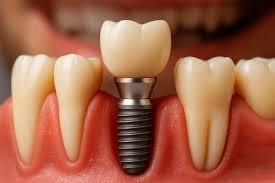
What makes dental implants stand out is their ability to integrate with the jawbone. They do not simply sit on the gums like dentures or rely on surrounding teeth for support like bridges. Instead, an implant replaces the root itself, creating a foundation that mirrors nature’s design. This connection encourages bone strength and stability, preventing the jaw from shrinking — a common issue after tooth loss.
Another reason implants have become widely accepted is their long-term reliability. Once an implant fuses with the bone, it becomes a part of the body. With proper care, it can last for decades. Many people appreciate this stability because it allows them to enjoy daily activities without the worry of slipping or discomfort. Eating apples, laughing freely, or speaking confidently becomes effortless again.
For individuals who have struggled with traditional dentures, implants bring a remarkable difference. Dentures often shift, especially when chewing. They can create sore spots or require frequent adjustments. Implants eliminate these issues by providing an anchored solution. Even implant-supported dentures — which attach to a few implants — offer improved comfort, better bite strength, and a more secure fit.
The natural appearance of implants also plays a major role in their popularity. A well-designed implant crown blends seamlessly with surrounding teeth. The color, shape, and translucency can be customized, allowing the new tooth to match the patient’s smile. This aesthetic harmony boosts confidence and supports overall facial structure, which often changes when teeth are missing.
The process of receiving a dental implant is carefully planned. It usually begins with a consultation and 3D imaging to study the jawbone’s density and shape. This step ensures precise placement, leading to better outcomes. If bone levels are insufficient, supportive procedures like bone grafting can rebuild the foundation. Once the implant is placed, it goes through a healing phase where it bonds with the bone. This stage is essential for long-term success.
Maintenance of an implant is straightforward. Daily brushing, flossing, and routine professional cleanings are usually enough. Unlike traditional bridges, implants do not rely on adjacent teeth, so they help preserve natural tooth structure. Good oral hygiene and healthy habits support the longevity of the implant and surrounding tissues.
While implants can replace a single tooth, they also work beautifully for multiple missing teeth. In some cases, full-arch replacements use just a few strategically placed implants to support an entire set of teeth. This approach reduces treatment time and improves stability for people who have lost all or most of their teeth.
Beyond functionality, implants influence quality of life. Many patients report improved nutrition because they can chew better. Others feel more confident in social settings. The psychological benefits are just as important as the physical ones. A stable, natural-looking smile can restore a person’s self-image after years of discomfort or self-consciousness.
Dental implants continue to evolve, incorporating new materials, better surface technology, and improved surgical techniques. These advancements make treatment safer and more predictable. Even patients who were once considered unsuitable for implants are now finding options through modern innovations.
For anyone dealing with tooth loss, learning about dental implants is a step toward reclaiming comfort, strength, and confidence. Understanding how they work — and why they perform so well — can help individuals make informed decisions about their oral health. With a solution that supports both function and aesthetics, implants are shaping a more natural and lasting future for tooth replacement.