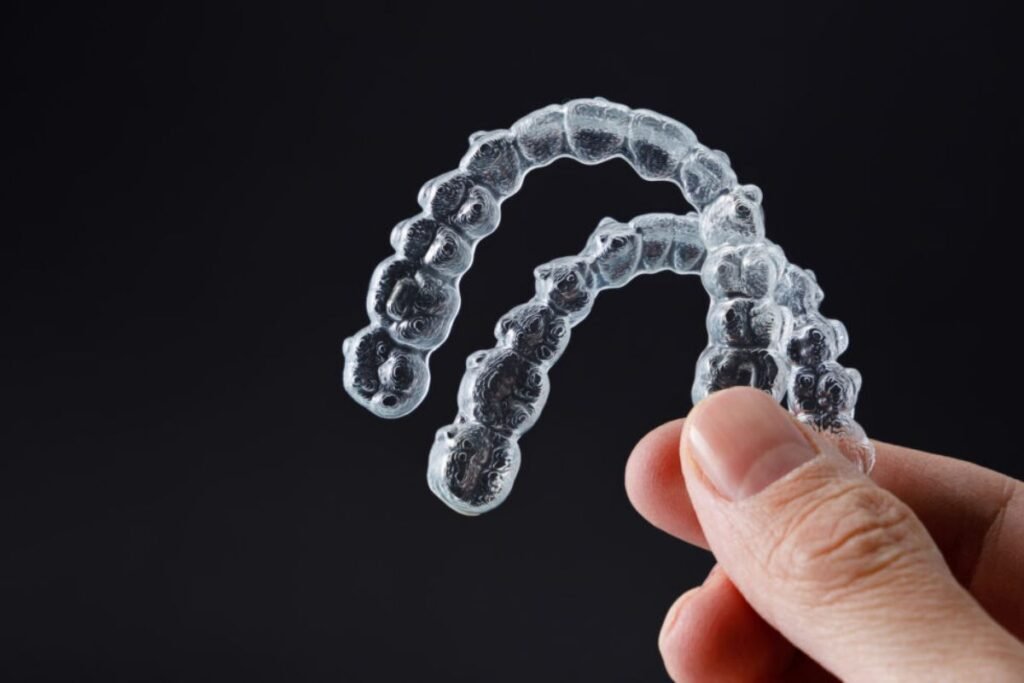
Straight teeth are more than a cosmetic goal — they’re a foundation for better oral health. Misalignment affects chewing, speech, gum stability, and long-term dental function. While traditional braces have always been effective, innovation has brought a more advanced approach: Invisalign. Today, Invisalign is reshaping orthodontic care, giving patients results that feel natural, seamless, and completely adaptable to daily life.
Invisalign isn’t just a cosmetic orthodontic tool. It’s a science-backed system built on precise digital mapping and high-quality materials. Each aligner is created using a 3D model of your teeth, allowing accurate planning from start to finish.
Patients appreciate being able to preview their future smile even before treatment begins. This visualization removes uncertainty and offers motivation throughout the process. The transparent aligners follow the plan step-by-step, making sure each tooth moves exactly where it’s intended to.
Aligner comfort is one reason so many people choose Invisalign over braces. With no metal parts, the chances of cuts, ulcers, or irritation are significantly reduced. The smooth edges make daily wear more comfortable, even for first-time orthodontic patients.
Because the aligners are removable, eating becomes simple. No worrying about breaking brackets or bending wires. Whether it’s nuts, crunchy snacks, or festive foods, everything becomes manageable. This freedom helps patients stick to the treatment without stress.
Invisalign can correct several dental problems:
For professionals, students, or anyone who prefers a discreet treatment, Invisalign feels almost invisible during conversations and photographs. Many adults who avoided braces in their youth now find Invisalign a comfortable and confidence-boosting solution.
Modern life is busy. Invisalign aligns perfectly with this lifestyle. You only need to wear the trays for 20–22 hours a day. The remaining hours allow you to eat, brush, or enjoy special occasions freely.
Follow-ups are usually quick because they focus on progress checks rather than wire adjustments. This makes Invisalign ideal for people with packed schedules or those who prefer fewer clinical visits.
One of the biggest struggles with metal braces is maintaining oral hygiene. Food particles get trapped easily, increasing the risk of plaque, discoloration, and gum issues. Invisalign eliminates this challenge.
Since the aligners come out during brushing and flossing, patients can maintain normal hygiene routines. This keeps gums healthier, reduces staining, and prevents cavities. For long treatments, this hygiene advantage makes a huge difference.
The digital approach of Invisalign brings a level of predictability that traditional methods cannot match. From the initial scan to the final aligner, every step is calculated. This advanced planning means:
Switching to a new aligner typically takes place every couple of weeks. Each set makes slight adjustments, guiding teeth toward ideal alignment.
In the early phase, mild pressure or tightness is common — a sign of effective tooth movement. Within days, the sensation becomes normal, and speech adjusts naturally. Most people around you won’t notice any change, which encourages confidence during meetings, photos, or social events.
Taking care of the trays is simple. Rinse them daily, brush them gently, and keep them stored safely when removed. Consistency is the key to achieving results on time.
Like any orthodontic treatment, the final step involves retainers. Once the teeth reach their ideal position, retainers keep them stable and prevent relapse. Wearing them as advised ensures the new smile stays exactly where it should.
The blend of aesthetics, comfort, hygiene, and accuracy makes Invisalign one of the most reliable teeth-straightening systems in the world. Patients no longer have to choose between effectiveness and appearance — Invisalign delivers both.
As people increasingly look for solutions that fit into real life, Invisalign stands at the forefront of modern orthodontics. It offers a chance to smile freely during the journey, not just after it.