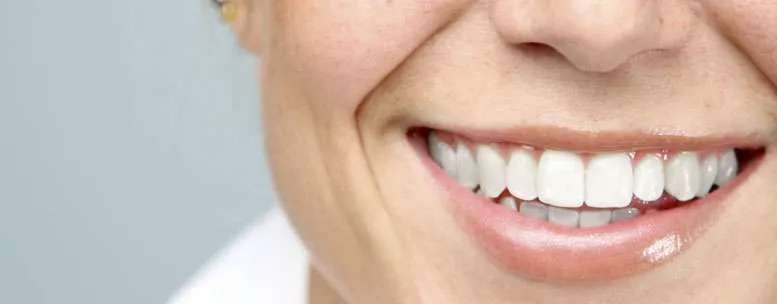
Patients today want dental treatments that look natural, feel comfortable, and last long. Traditional fillings can weaken a tooth if overused, while crowns may remove more tooth structure than necessary. Inlays and onlays fill this gap—they’re the perfect middle-ground restoration that prioritizes both strength and conservation.
These restorations are often referred to as indirect fillings, meaning they are created outside the mouth and placed later. They are ideal for moderate decay, fractures, or old, failing fillings. Their custom-designed shape ensures an incredibly precise fit, allowing the treated tooth to function like new.
Placed inside the grooves of the tooth, inlays are recommended when the decay is limited and does not extend over the cusps. They act like a reinforcement for the inner part of the tooth.
Onlays extend over one or more cusps, covering a larger portion. They are sometimes called “partial crowns” because they offer similar strength without requiring the entire tooth to be reshaped.
Modern dentistry is moving toward minimal intervention, and these restorations align perfectly with this approach. Here’s what makes them popular with dentists and patients alike:
The treatment is simple, painless, and designed to provide long-term protection.
Your dentist evaluates the damage and prepares the tooth by removing decay. An impression or digital scan is taken to design your custom restoration.
A temporary inlay or onlay is placed to protect the tooth until the permanent one is ready.
During the second visit, the dentist bonds the restoration with strong adhesives. The fit is checked for comfort, and the restoration is polished for a natural look.
This treatment is ideal for people who:
Maintaining an inlay or onlay is simple:
Inlays and onlays give your teeth the boost they need—strength, support, and beauty. They help preserve your natural tooth while providing a long-lasting solution. For patients looking for a restoration that balances durability with aesthetics, this is one of the most dependable treatments available.
Patients today want dental treatments that look natural, feel comfortable, and last long. Traditional fillings can weaken a tooth if overused, while crowns may remove more tooth structure than necessary. Inlays and onlays fill this gap—they’re the perfect middle-ground restoration that prioritizes both strength and conservation.
These restorations are often referred to as indirect fillings, meaning they are created outside the mouth and placed later. They are ideal for moderate decay, fractures, or old, failing fillings. Their custom-designed shape ensures an incredibly precise fit, allowing the treated tooth to function like new.
Placed inside the grooves of the tooth, inlays are recommended when the decay is limited and does not extend over the cusps. They act like a reinforcement for the inner part of the tooth.
Onlays extend over one or more cusps, covering a larger portion. They are sometimes called “partial crowns” because they offer similar strength without requiring the entire tooth to be reshaped.
Modern dentistry is moving toward minimal intervention, and these restorations align perfectly with this approach. Here’s what makes them popular with dentists and patients alike:
The treatment is simple, painless, and designed to provide long-term protection.
Your dentist evaluates the damage and prepares the tooth by removing decay. An impression or digital scan is taken to design your custom restoration.
A temporary inlay or onlay is placed to protect the tooth until the permanent one is ready.
During the second visit, the dentist bonds the restoration with strong adhesives. The fit is checked for comfort, and the restoration is polished for a natural look.
This treatment is ideal for people who:
Maintaining an inlay or onlay is simple:
Inlays and onlays give your teeth the boost they need—strength, support, and beauty. They help preserve your natural tooth while providing a long-lasting solution. For patients looking for a restoration that balances durability with aesthetics, this is one of the most dependable treatments available.