A strong, healthy smile doesn’t happen by chance — it needs timely care, especially when a tooth is damaged, weak, or heavily decayed. This is where dental crowns step in as one of the most reliable restorative options in modern dentistry. Whether you want to protect a tooth, enhance your smile, or restore full chewing strength, a crown can make a life-changing difference.
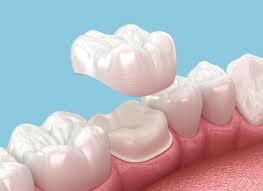
A dental crown is a customized protective cap placed over a tooth. It covers the entire visible portion, restoring shape, size, strength, and appearance. Crowns are designed to look natural, blend seamlessly with your smile, and function just like a real tooth.
They’re often recommended when simple fillings or bonding are not enough.
Crowns are versatile and solve many dental concerns. You may need one if:
Crowns help prevent further damage and protect your natural tooth for years to come.
Dentistry offers several materials, and each has its own advantages:
1. Ceramic / Porcelain Crowns
Best for front teeth due to their excellent aesthetics. They match natural color perfectly.
2. Porcelain-Fused-to-Metal (PFM) Crowns
Strong and durable, ideal for back teeth with higher bite pressure.
3. Zirconia Crowns
Known for superior strength and a natural look. Increasingly popular for both front and back teeth.
4. Metal Crowns
Highly durable, but less aesthetic. Often recommended for molars.
Your dentist will guide you based on your bite, tooth position, and cosmetic expectations.
The process typically takes two visits:
Visit 1: Examination & Tooth Preparation
The dentist examines your tooth, performs X-rays if needed, and reshapes the tooth to create space for the crown. An impression is taken and sent to a dental lab. Meanwhile, you receive a temporary crown.
Visit 2: Crown Placement
Once your permanent crown arrives, the dentist checks its fit, color, and bite alignment. When everything matches perfectly, the crown is cemented in place.
Some clinics also offer same-day crowns using digital CAD/CAM technology, reducing the wait time.
A well-made crown can last 10–15 years or more, based on your hygiene habits.
Maintaining good oral hygiene is the key to a crown’s long life.
A dental crown is more than a treatment — it’s an investment in your long-term oral health. When a tooth is too weak to survive on its own, a crown can protect it, restore comfort, and bring back your confident smile. If you’re dealing with a damaged or painful tooth, don’t wait. Early treatment prevents complications and saves the tooth.